In contemporary architecture and landscape development, gabion walls have emerged as a practical and visually compelling solution. Traditionally used for erosion control and structural reinforcement, these wire-caged stone structures are now central to innovative landscape aesthetics and sustainable building. Their raw, natural appearance combined with exceptional durability makes them a top choice for homeowners and architects alike. With endless customization possibilities, gabion walls provide not only functionality but also artistic expression—perfect for anyone looking to redefine their outdoor spaces with lasting impact.
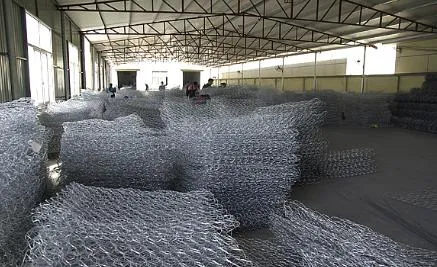
When considering gabion wall how to construct effectively, the process begins with a clear understanding of purpose—retaining soil, serving as fencing, or purely decorative. Planning involves selecting the appropriate cage size, rock type, and site preparation. Unlike traditional masonry, gabion walls do not require mortar, which allows water permeability and natural drainage. Constructing a gabion wall how to guide also emphasizes layering and packing stones for aesthetic consistency and structural stability. Regular maintenance, such as checking for cage corrosion or stone displacement, ensures longevity and visual appeal.
The concept of a gabion wall house blends ecological principles with architectural innovation. These houses utilize gabion systems not only for landscape elements but as actual structural or façade components. The gabion wall house design allows for thermal mass benefits, sound insulation, and low maintenance exteriors. As these walls age, they often become more visually interesting, harmonizing with the surrounding environment. Architects aiming for a bold yet sustainable statement frequently integrate gabions to contrast modern glass or steel features with rugged natural textures.
A thoughtfully designed gabion wall front yard can significantly enhance a home’s first impression. Whether used as a retaining wall, decorative divider, or planter box, these features bring structure and organic beauty. The gabion wall front yard option is especially appealing due to its customization potential—different stone sizes, colors, or even adding wood or metal accents. Homeowners often integrate lighting or greenery to soften the look while maintaining strong architectural lines. In both minimalist and lush gardens, these walls provide a stylish yet low-maintenance solution.
One of the most striking modern trends is the fusion of stone and transparency in gabion wall glass constructions. By alternating stone-filled gabions with tempered glass panels, designers create stunning partitions and focal points. A gabion wall glass feature is ideal for semi-private garden dividers or balcony boundaries where light and visibility are key. Glass components add sophistication while preserving the raw charm of the stones. This combination also reflects light in dynamic ways, enhancing both day and night aesthetics with natural and artificial illumination.
The essence of effective gabion wall landscape design lies in balance and harmony with the environment. These walls can define spaces, create elevation, or support planting schemes. Strategic placement of gabion wall landscape design elements—such as curves, steps, or seating—maximizes both visual interest and utility. Matching stone color with regional terrain or using recycled materials aligns with eco-conscious goals. Whether accenting a pool area or lining a garden path, gabion structures offer an industrial-chic look while remaining grounded in natural form.
While DIY is possible for small garden gabions, larger structural walls often benefit from professional input to ensure foundational integrity, drainage planning, and compliance with local building codes.
Minimal maintenance is needed. Periodic checks for cage rust, stone settlement, and vegetation overgrowth are sufficient. Galvanized or PVC-coated cages prolong life, especially in humid or coastal climates.
Gabion walls naturally facilitate water flow, reducing erosion and pooling. Their permeability prevents hydrostatic pressure buildup, making them ideal for hilly or rainy environments.
Q: What is the ideal depth for a gabion wall foundation?
A: For most landscape projects, a foundation of 100–150 mm of compacted gravel provides sufficient support. Taller or load-bearing walls may require deeper foundations and professional engineering.
Q: How long do gabion wall house structures last?
A: When constructed with galvanized or PVC-coated cages, gabion wall structures can last 50–100 years with minimal maintenance, depending on environmental exposure.
Q: Are gabion wall front yard designs customizable?
A: Absolutely. From stone color and size to cage shapes and additional materials like timber or lights, gabion front yard designs are highly adaptable to individual styles.
Q: Is a gabion wall glass combination safe?
A: Yes, if built using tempered or laminated safety glass within structural guidelines. These designs are visually stunning and safe when professionally engineered.
Q: How do I start planning a gabion wall landscape design project?
A: Begin by identifying functional needs, assessing terrain, choosing suitable stone and cage materials, and deciding on placement. Sketching out concepts or consulting with a landscape designer can streamline the process.