TEL:
+86-13102802206
TEL:
+86-13102802206
 Email:
fencenetting@china.com
Email:
fencenetting@china.com
 Language
TEL:
+86-13102802206
Email:
fencenetting@china.com
Language
Language
TEL:
+86-13102802206
Email:
fencenetting@china.com
Language


Honestly, this chain link fence supplier stuff… it’s seen a real shift lately. Used to be, everyone just wanted the cheapest galvanized steel, you know? Basic functionality, keep the sheep in, keep the trouble out. Now? Everyone’s talking about coating options, different wire gauges, even the look of the mesh. It's wild. I was at a site up in Shandong province last week and they were asking about powder coating colors to match the corporate branding! Branding, on a fence. Go figure.
You’d think a chain link fence is a chain link fence, right? Wrong. There's a lot of ways to mess this up. A lot. Have you noticed how many suppliers skimp on the tensile strength? They’ll hit the minimum spec on the paperwork, but then that first good gust of wind…boom. Flat as a pancake. Or, they’ll use a cheap vinyl coating that cracks and peels after a year. That's just asking for trouble. It's not about being fancy, it's about doing the basics right.
And let’s talk materials. Most still go with galvanized steel – that’s your workhorse. You can smell it, that zinc smell, kinda metallic. Feels cold, heavy. Good stuff, but handling it, you gotta wear gloves, or you'll get zinc dust under your fingernails for a week. Then there’s stainless steel, obviously more expensive, but if you’re near saltwater, it’s the only way to go. It's smoother, doesn't smell as much, but feels… less robust, strangely. We're seeing more PVC coated options too, different colors, different thicknesses. I saw a bright pink one last month – apparently, for a children's playground. Don't ask.
To be honest, the biggest trend right now is customization. People aren't just wanting a fence; they want a fence that looks a certain way. And that’s leading to a lot of corners being cut. I saw one supplier using a thinner gauge wire in their “premium” colored coating, thinking nobody would notice. They noticed. I noticed.
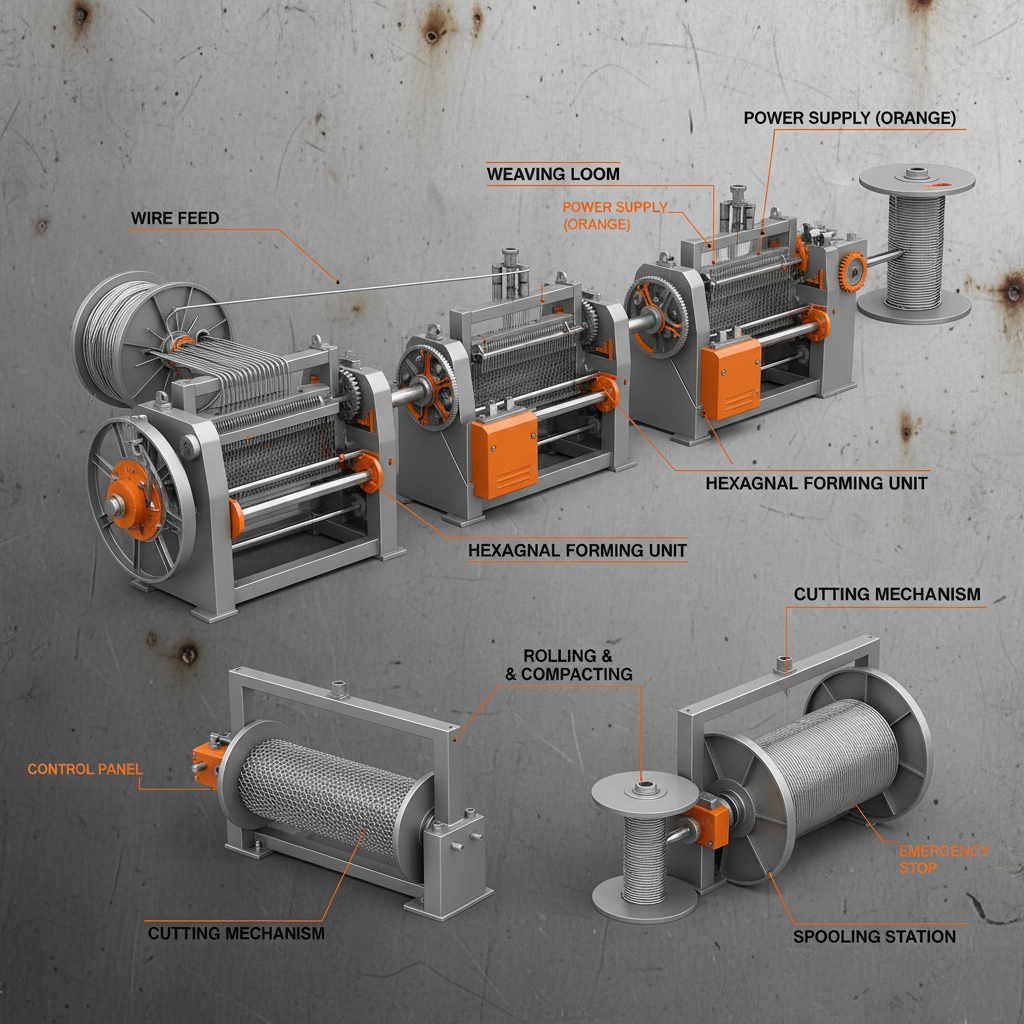
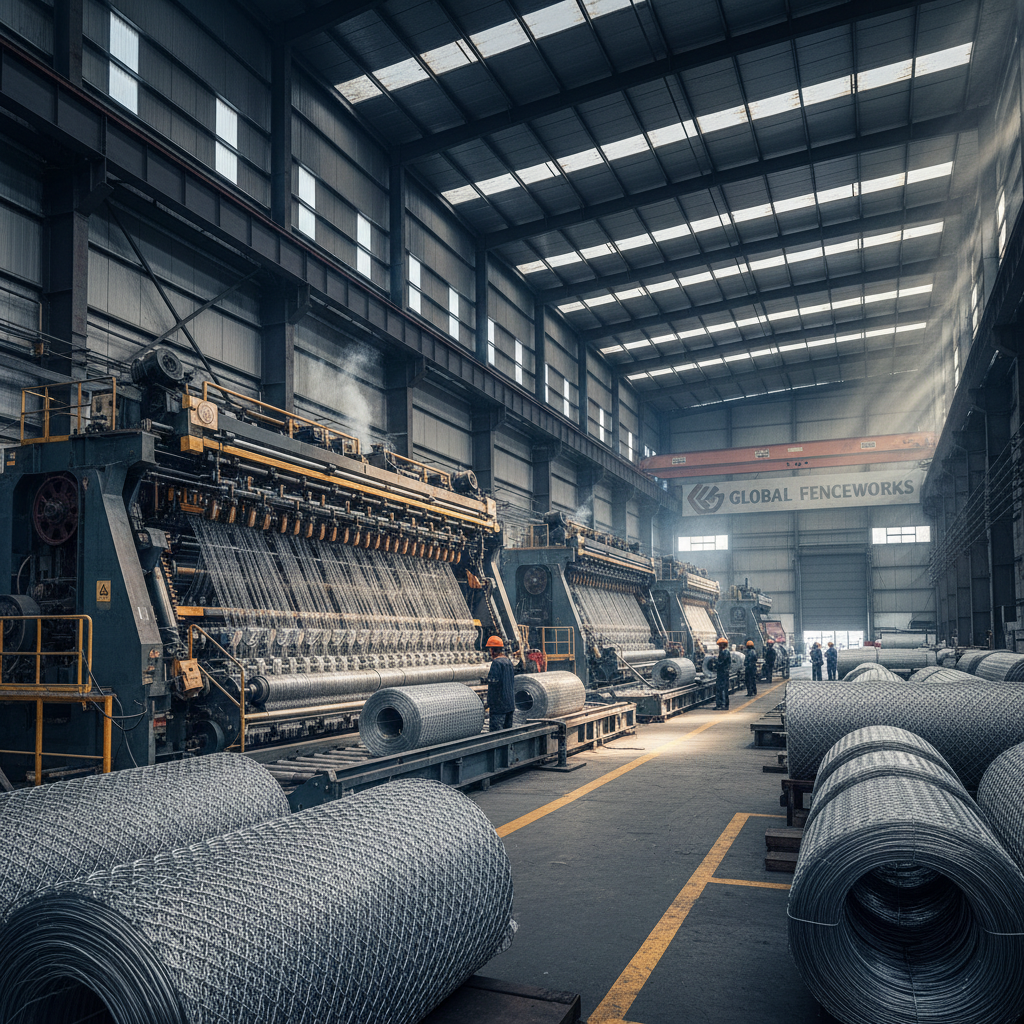
Another big one is automation in manufacturing. More robots, more precision, but also…less human oversight. You lose that guy who can feel when something’s not right. I encountered this at a factory in Tianjin last time – beautiful, automated line, but the quality control was…lacking. Anyway, I think, relying too much on machines is a risk.
That depends a lot on the environment, of course. But generally, you’re looking at 10-20 years with proper maintenance. Coastal areas and industrial sites will see corrosion much faster. Regular cleaning and re-coating can extend the life significantly. We recommend annual inspections for any signs of rust or damage, and prompt repairs to prevent further deterioration. Honestly, it's like anything else - a little care goes a long way.
For serious security, you want at least 9 gauge, ideally 7 gauge. The lower the gauge number, the thicker the wire. Thicker wire is harder to cut, making it more resistant to intrusion. But you also need to consider the post spacing and the height of the fence. A taller fence with wider post spacing will require a heavier gauge wire to prevent sagging and bending. Remember, a flimsy fence isn't much of a deterrent.
That's a good question. It depends on your priorities. PVC coating adds corrosion resistance, aesthetic appeal, and a bit of noise reduction. But it's also more expensive and can be damaged by abrasion. If you're in a harsh environment or want a specific color, it's probably worth it. But if you're just looking for basic functionality, galvanized steel is often sufficient. I encountered a customer once who wanted bright green PVC... said it matched his garden gnome collection.
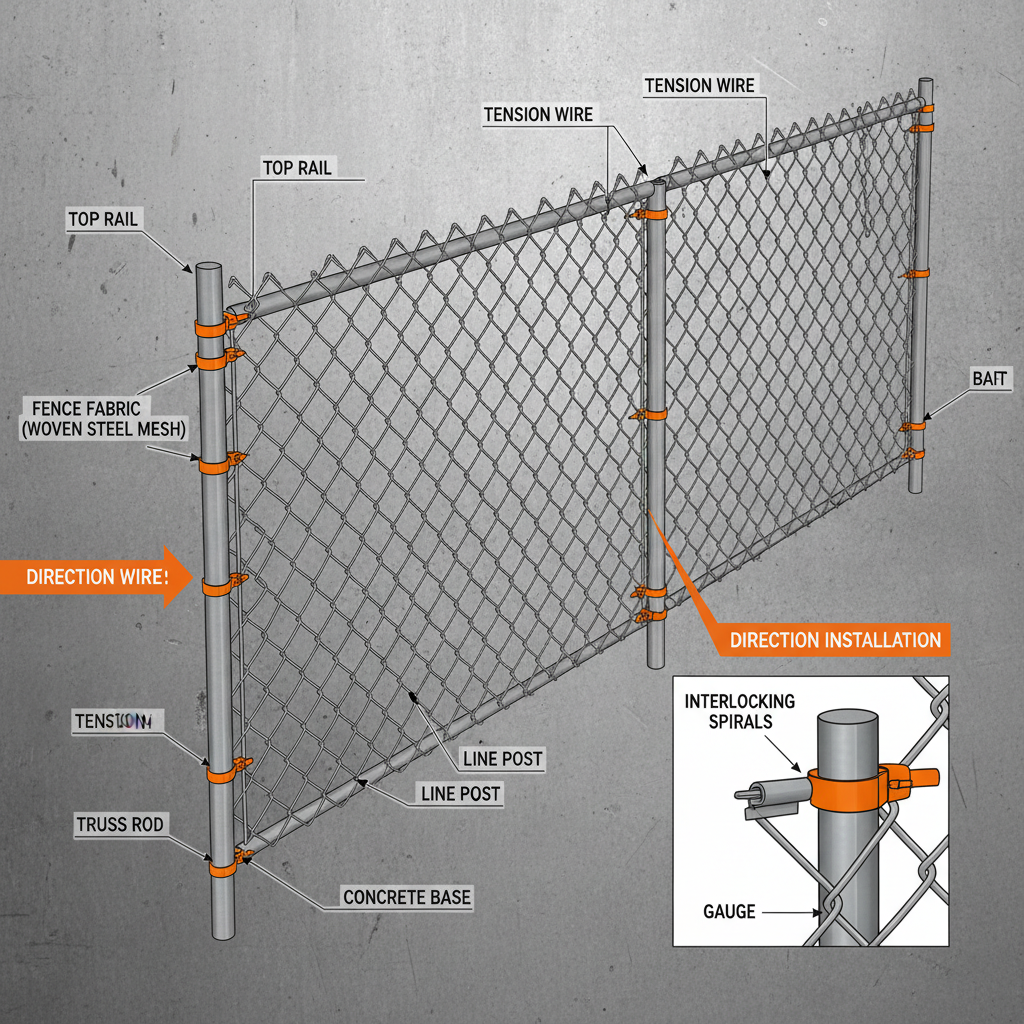
Proper tensioning is crucial to prevent sagging and ensure the fence remains secure. You want the fabric to be taut, but not overly stretched. Use a chain link stretcher and follow the manufacturer’s instructions carefully. It's better to slightly under-tension and adjust later than to over-tension and damage the fabric. And always wear gloves and eye protection during the process. You don't want to get smacked in the face with a spring!
That depends on the soil composition and the fence height. For sandy soil, you'll need deeper post holes and potentially larger diameter posts. Clay soil can be more stable, but it can also expand and contract with moisture changes. Steel posts are generally a good choice for most soil types, but they can be susceptible to corrosion. Aluminum posts are lightweight and corrosion-resistant, but they’re also more expensive. Concrete-filled posts offer excellent stability, but they're heavy and difficult to install.
Absolutely. Privacy slats are a popular way to add privacy and wind protection to a chain link fence. They’re relatively easy to install – you just weave them through the mesh. But they can also reduce airflow and increase wind load, so make sure your fence is properly braced. You can find slats in a variety of colors and materials, so you can customize the look of your fence to match your preferences. Strangely, some people are really picky about the color of the slats!
So, chain link fence supplier isn't just about wire and posts anymore. It’s about understanding materials, anticipating environmental factors, and responding to customer needs – even the weird ones. It’s about finding the right balance between cost, durability, and aesthetics. It's a surprisingly complex business, really.
Looking ahead, I think we’ll see more innovation in coating technology, more focus on sustainable materials, and more customization options. Ultimately, whether this thing works or not, the worker will know the moment he tightens the screw. And that’s all that matters.